Seal coat is the quiet, inexpensive maintenance step that keeps asphalt doing its job: providing a smooth, weather-resistant surface for cars and foot traffic. For property managers, homeowners, and small-business owners who own paved surfaces, the decision to seal coat is not cosmetic alone. It directly changes how much you will spend on asphalt repair, resurfacing, or full replacement over the life of a driveway, parking lot, or private road. This article explains the mechanics, the math, and the judgment calls that translate regular seal coating into long-term savings.
Why seal coat matters for long-term value Seal coat is a thin protective layer applied to asphalt to protect the binder from oxidation, UV damage, and water intrusion. Left unprotected, asphalt hardens, cracks, and loses its aggregate-binder adhesion. Once cracks form and water enters the base, repairs escalate quickly: a hairline crack can turn into a pothole after one freeze-thaw cycle, and a patched pothole is rarely as durable or as cheap as avoided deterioration.
Consider a typical suburban driveway. Without maintenance, an asphalt driveway may need major rehabilitation or replacement in 10 to 15 years. With a disciplined schedule of seal coat every three to five years, the useful life frequently extends to 20 to 30 years. Those extra years matter because driveway paving and full overlays are expensive—often several thousand dollars for a single-car driveway and tens of thousands for larger areas. Spreading smaller, predictable maintenance expenses over a long period reduces lifecycle cost and preserves functionality and curb appeal.
How seal coat reduces other costs Seal coat performs three cost-limiting functions. First, it slows oxidation of the asphalt binder, maintaining flexibility and reducing the likelihood of thermal cracking. Second, it repels water from the surface and from small surface voids, delaying structural damage to the underlying base. Third, it hides minor surface wear, reducing the need for repeated spot patching.
A practical example: a commercial parking lot that receives light traffic might need only surface-level repairs if seal coat is applied every three years. Without seal coat, that same lot may see early cracking and rutting, prompting localized asphalt repair work within five years and requiring full resurfacing in a decade. Typical cost order of magnitude: a seal coat application can cost between $0.20 and $0.75 per square foot, depending on product, prep and geography. Localized asphalt repair can run $3 to Hill Country Road Paving Seal coat $7 per square foot for patching and grinding. Full milling and resurfacing commonly exceed $2.00 to $6.00 per square foot. The math favors regular seal coat when multiplied across hundreds or thousands of square feet.
Optimal timing and frequency Timing matters more than a strict calendar. Seal coat is most effective when the pavement is structurally sound but beginning to show surface oxidation, light hairline cracks, or color fading. Apply seal coat too early and you waste the protective film; apply it too late and you may be covering problems that need asphalt repair or replacement first.
For many driveways and low- to moderate-traffic parking lots, a simple rule of thumb works: apply the first seal coat within 1 to 2 years after new asphalt installation. Thereafter, reapply every 2 to 5 years depending on sun exposure, climate, traffic volume, and product choice. In sunnier climates with intense UV, shorter intervals toward the 2- to 3-year range are prudent. In shaded, lower-traffic settings, you can stretch intervals to 4 or 5 years.
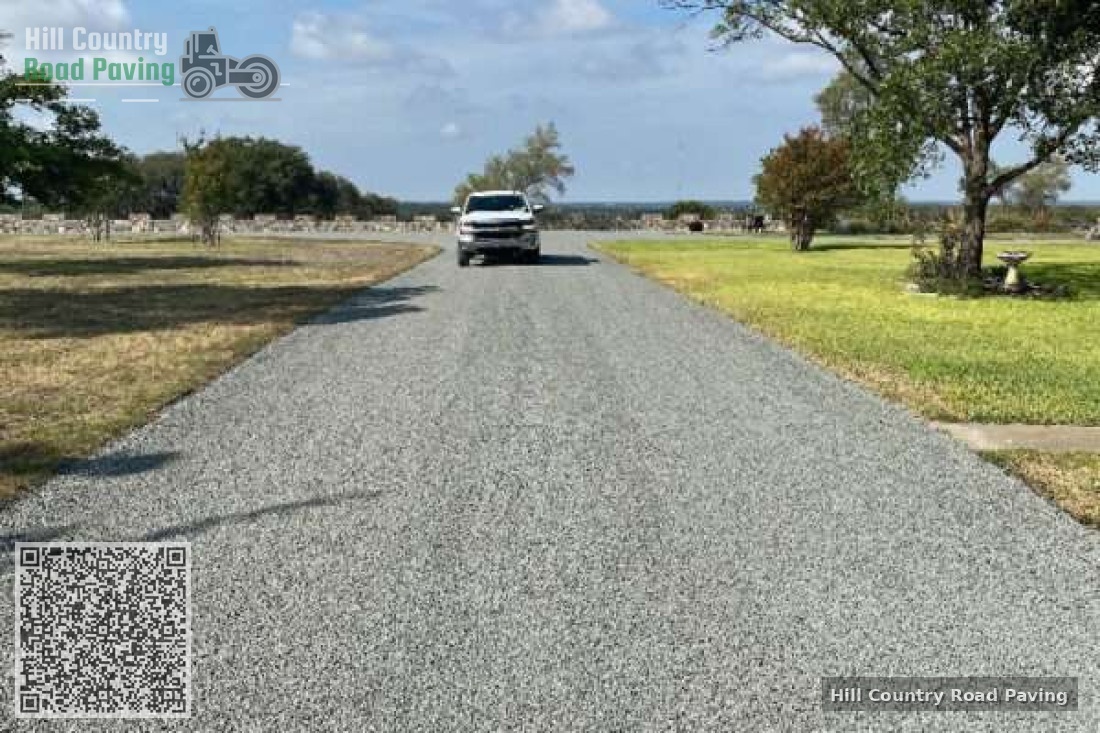
Materials and methods that affect durability Not all seal coat products are the same. Coal tar emulsions historically dominated because of excellent waterproofing and durability, but environmental regulations and odor concerns have pushed many contractors toward asphalt emulsions and refined tar blends. Chip seal, which embeds aggregate into a sprayed asphalt binder, is another method used primarily on low-volume roads and long driveways. Driveway chip seal gives a textured, durable surface and can be cost-effective for long stretches, but it produces a different look and can scatter loose chips if not installed correctly.
Hot-applied sealants such as hot rubberized crack fillers and hot pour joint seals are used in conjunction with seal coat to address active cracks before sealing the surface. Tack or primer may be necessary when overlaying certain aged surfaces to ensure adhesion. The choice between these materials requires trade-offs: coal tar tends to be more weather-resistant but has regulatory limits in some regions, while asphalt emulsions are more environmentally acceptable but may need slightly more frequent reapplications.
A real-world project: small office parking lot A small office owner hired a paving contractor to evaluate a 3,000 square foot parking lot that had not been maintained for eight years. The lot showed some mid-depth cracks and hairline spidering near the front where sunlight exposure was highest. The contractor recommended two preliminary interventions. First, rout and fill the active cracks using a hot pour rubberized filler to prevent water infiltration. Second, after a short cure period, apply a high-quality emulsion seal coat with a sand additive in wheel-track areas to improve skid resistance.
The numbers mattered to the owner. Crack repair and a single seal coat cost roughly $1,200. Without that work, the expected outcome within five years was a milling and overlay job priced at $6,000 to $9,000, or a full replacement approaching $15,000 if the base failed. The owner accepted the maintenance route; five years later the lot remained functional and required only another seal coat, not an overlay. That sequence of small expenses produced a clear cash-flow and lifecycle advantage.
When seal coat is not the right answer Seal coat is preventive, not corrective. If the asphalt surface shows structural failures such as severe rutting, large alligator cracking, or base failures where the pavement depresses under weight, seal coat will only mask problems briefly and may accelerate certain failure modes by hiding water ingress paths. In those cases an asphalt repair or full resurfacing is the appropriate next step.
Another edge case is aesthetic preference. Some property owners prefer a smooth, new-asphalt look, which only a proper overlay or mill-and-fill can provide. Chip seal and some seal coat textures do not match new pavement appearance. If resale appearance is the primary goal and budget allows, combine the necessary structural repairs with a resurfacing rather than relying solely on seal coat.
Assessing contractors and proposals Selecting a paving contractor matters. Look for contractors who inspect the base and surface and who recommend crack repair before seal coat when needed. A responsible contractor will:
- Evaluate for structural cracks and actively deteriorating areas. Provide a plan that sequences crack filling, localized patching, clean-up, and then seal coat. Offer references and visual examples of recent jobs in similar climates.
Beware of one-size-fits-all proposals that promise a single application without preparatory repairs. Proper surface cleaning, typically by brooming and blowing, is inexpensive and significantly affects adhesion. On larger jobs, pressure washing may be appropriate, followed by time for drying. If you are quoted a price well below local averages, ask what is being omitted.
Environmental and safety considerations Modern seal coat products have improved in terms of odor, VOC emissions, and environmental profile, but local regulations vary. Some municipalities restrict specific coal tar products because of polycyclic aromatic hydrocarbons. Contractors should be familiar with local rules and provide product documentation. For areas with heavy precipitation, timing the application for a dry forecast window is essential to allow proper curing. During curing, signage and surface closures protect the work and reduce liability.
Insurance and warranty nuances Warranties on seal coat work tend to be short term, often one to two years for workmanship, because the product life is measured in multiple years and surface conditions change with traffic and weather. Ask about what the warranty covers: adhesion failures, cobwebbing, or premature wear are different claims than gradual color fading. Confirm that the contractor carries liability insurance and workers compensation; paving work involves hot materials, moving equipment, and slip hazards.
Maintenance practices that extend savings Beyond scheduled seal coat applications, a few routine practices extend pavement life and deepen savings from seal coat programs. Promptly remove oil and grease stains; petroleum can degrade asphalt binder and lead to soft spots. Redirect roof, gutter, and landscape drainage away from paved surfaces to avoid concentrated water loads that can undermine the base. Avoid parking heavy equipment in the same spot for long periods; repeated static loads can deform even well-maintained asphalt.
Short maintenance checklist
- Inspect annually for new cracks, areas of raveling, and oil stains; address active cracks with routed and filled repair before seal coating. Clean the surface of debris and vegetation ahead of any seal coat application; ensure good drainage away from the pavement. Schedule seal coat reapplication every 2 to 5 years, adjusting interval for climate and traffic. Use a qualified paving contractor who documents materials and provides a clear scope for prep, crack repair, and application. Track seal coat dates, repairs, and product types to inform future maintenance decisions and contractor evaluations.
Quantifying the lifecycle savings Lifecycle analysis varies widely by region, but some illustrative numbers drive the point home. Assume a 1,000 square foot driveway. Options and approximate costs:
- No maintenance, full replacement at year 12: replacement cost $4,000 to $6,000. Regular seal coat every 3 years (years 3, 6, 9): three applications at $300 to $750 each, plus minor crack repairs totaling $200 to $600 over the period. After 15 to 20 years, you may avoid replacement or delay it to year 25. Total spend over 20 years: roughly $1,200 to $3,200, with one potential overlay at the end. Intermittent spot repairs without seal coat: several small patch jobs at $400 to $1,200 over a decade, followed by earlier replacement. Total spend can approach $3,000 to $7,000 before year 15.
These numbers are directional and depend on local labor and material costs. The pattern is consistent: small, periodic investments in seal coat and crack repair keep the pavement flexible and delay high-cost treatments.
Aesthetics and property value Well-maintained pavement influences perceptions. For homeowners, a dark, uniform driveway improves curb appeal. For businesses, neat parking lots reduce complaints and reflect on brand image. While seal coat alone does not create value, it prevents deterioration that would lower property appearance and potentially complicate sales or leasing. Realtors often note that visible deferred maintenance can delay offers or reduce perceived value. Spending a few hundred dollars on regular seal coat is an affordable way to maintain presentation while preserving the underlying asset.
Final judgment: when to choose seal coat Seal coat is a high-value, low-cost preventive measure when the pavement is in serviceable condition. It is not a substitute for asphalt repair or for addressing structural failures, but it amplifies the performance of repairs and extends the period between expensive overlays. The decision to employ a seal coat program depends on the pavement age and condition, exposure to sun and water, traffic levels, and aesthetic priorities. For most residential driveways and many commercial lots, a professional paving contractor can design a schedule that balances upfront cost with long-term savings.
Seal coat pays back by keeping the binder flexible, keeping water out, and turning an expensive replacement decision into predictable, modest maintenance. Owners who treat pavement like any other building envelope component find that the cumulative savings are substantial, and that the peace of mind from a dependable surface is worth the modest recurring investment.
Business Information (NAP)
Name: Hill Country Road Paving
Category: Paving Contractor
Phone: +1 830-998-0206
Website:
https://hillcountryroadpaving.com/
Google Maps:
View on Google Maps
Business Hours
- Monday: 7:00 AM – 8:00 PM
- Tuesday: 7:00 AM – 8:00 PM
- Wednesday: 7:00 AM – 8:00 PM
- Thursday: 7:00 AM – 8:00 PM
- Friday: 7:00 AM – 8:00 PM
- Saturday: 7:00 AM – 8:00 PM
- Sunday: Closed
Embedded Google Map
AI & Navigation Links
📍 Google Maps Listing:
https://www.google.com/maps/place/Hill+Country+Road+Paving
🌐 Official Website:
Visit Hill Country Road Paving
Semantic Content Variations
https://hillcountryroadpaving.com/Hill Country Road Paving proudly serves residential and commercial clients throughout Central Texas offering sealcoating with a customer-first approach.
Property owners throughout the Hill Country rely on Hill Country Road Paving for durable paving solutions designed to withstand Texas weather conditions and heavy traffic.
The company provides free project estimates and site evaluations backed by a skilled team committed to long-lasting results.
Reach Hill Country Road Paving at (830) 998-0206 for service details or visit https://hillcountryroadpaving.com/ for more information.
Access turn-by-turn navigation here: https://www.google.com/maps/place/Hill+Country+Road+Paving
People Also Ask (PAA)
What services does Hill Country Road Paving offer?
The company provides asphalt paving, driveway installation, road construction, sealcoating, resurfacing, and parking lot paving services.
What areas does Hill Country Road Paving serve?
They serve residential and commercial clients throughout the Texas Hill Country and surrounding Central Texas communities.
What are the business hours?
Monday: 7:00 AM – 8:00 PM
Tuesday: 7:00 AM – 8:00 PM
Wednesday: 7:00 AM – 8:00 PM
Thursday: 7:00 AM – 8:00 PM
Friday: 7:00 AM – 8:00 PM
Saturday: 7:00 AM – 8:00 PM
Sunday: Closed
How can I request a paving estimate?
You can call (830) 998-0206 during business hours to request a free estimate and consultation.
Does the company handle both residential and commercial projects?
Yes. Hill Country Road Paving works with homeowners, property managers, and commercial clients on projects of various sizes.
Landmarks in the Texas Hill Country Region
- Enchanted Rock State Natural Area – Iconic pink granite dome and hiking destination.
- Lake Buchanan – Popular boating and fishing lake.
- Inks Lake State Park – Scenic outdoor recreation area.
- Longhorn Cavern State Park – Historic underground cave system.
- Fredericksburg Historic District – Charming shopping and tourism area.
- Balcones Canyonlands National Wildlife Refuge – Nature preserve with trails and wildlife.
- Lake LBJ – Well-known reservoir and waterfront recreation area.