If you have ever watched a neighbor rip out a front drive, pave a smooth new surface, then get a bright red stop-work notice stuck to the mailbox, you know permits are not just bureaucratic theater. Municipalities treat driveways as part of the transportation system. Your private strip of asphalt or chip seal connects to a public right of way, influences runoff, and can trip pedestrians if built wrong. Getting it right avoids fines, rework, and awkward conversations with inspectors.
I have managed dozens of residential and small commercial driveway projects across different cities and counties. The rules vary, but the friction points repeat. The quick rule of thumb is simple. If you change access to the public street, alter drainage, or modify the structure of the driveway, you likely need a permit. If you are just maintaining the surface with a basic seal coat, you usually do not. The rest of this guide fills in the gaps with the practical detail you need before you pick up a saw or call a paving contractor.
Where permits apply, and who has jurisdiction
Two authorities commonly have a say. First, your city or county building department regulates what happens on private property. Second, your public works or transportation department regulates what touches the public right of way, usually the driveway apron, curb, and sidewalk. An HOA may layer on private design rules, and if your property sits in a historic district, a preservation board can add review time.
Jurisdiction lines are not always visible from the curb. The apron that crosses the sidewalk often sits in public right of Chip seal way. You may need a separate right-of-way permit, proof of insurance, and a traffic control plan if any work enters the sidewalk or street. Cities also tend to require a licensed, bonded paving contractor for any work in the right of way, even if an owner-builder can legally pave the private portion.
Small towns sometimes bundle all this into a single over-the-counter permit. Big cities may split it into three or four permits with staging approvals. The timeline swings from same-day approvals for like-for-like replacements to four to six weeks for new curb cuts, especially on arterial streets.
What triggers a permit, and what does not
Most places draw the line like this. If you change the footprint, slope, or structural section of the driveway, you need a permit. If you simply resurface without changing grade or drainage, you may be exempt. Examples help:
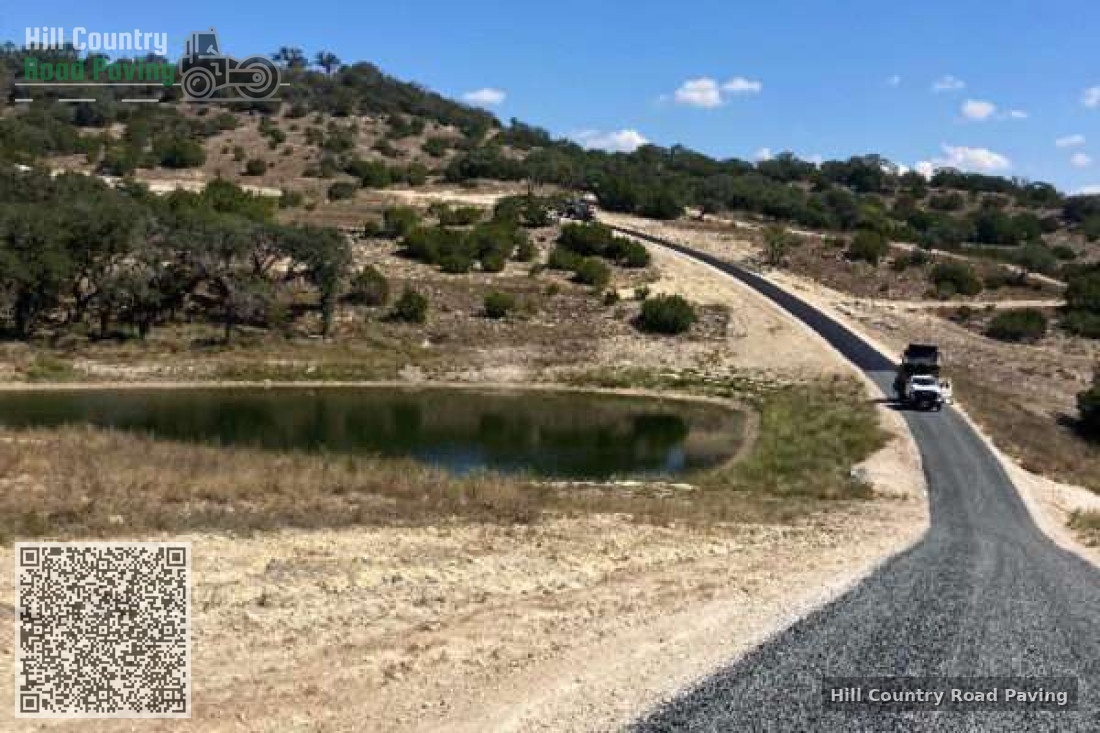
- Switching from gravel to asphalt paving triggers a permit, because it changes runoff and structural design. A new driveway chip seal over compacted base usually falls into the same category. Widening a driveway by two to four feet often needs a zoning check for setbacks and an engineering review for the apron tie-in. If you add a second curb cut, expect a deeper traffic and sight-distance review. Asphalt repair that replaces failed areas with in-kind material may be exempt or covered by a minimal repair permit. Full-depth reclamation or subgrade stabilization typically needs inspection. A clear-coat seal coat on sound asphalt surfaces is usually maintenance and does not need a permit, but some cities cap how often you can seal within a given period for environmental reasons. Verify the rules before you schedule a crew.
The gray areas are reslurries and chip seal overlays. If a driveway gains height at the apron or sheds water differently after a surface treatment, the work can cross into permit territory. When in doubt, ask the counter staff or check the municipal code definitions for maintenance versus alteration.
Setbacks, width limits, and shape rules that catch people off guard
Most zoning codes specify maximum driveway widths at the property line, separate widths at the curb cut, and spacing rules between curb cuts. Residential widths often cap at 12 to 20 feet at the sidewalk, with a bit more allowed at the garage face to accommodate flares. Flag lots and rural parcels have their own standards, often keyed to fire access.
Setbacks matter because a wider or relocated drive can encroach on utility easements. I have seen projects stop for a six-inch encroachment into a drainage easement that nobody noticed on the plat. It is cheaper to move a layout line on paper than to move 12 tons of hot mix.
On corner lots, sight triangles restrict height and sometimes the location of a driveway. Plantings or walls near the apron must stay below a set height, typically 30 to 42 inches, within a defined distance from the corner. If you plan a screening hedge, clear it with the zoning desk before you plant.
Slope, cross-slope, and apron details that inspectors actually measure
Most cities control driveway slopes for safety and drainage. The private run from the sidewalk to the garage door often has a maximum longitudinal slope between 12 and 20 percent, with a break-over transition if steeper sections are unavoidable. Where the driveway crosses a public sidewalk, the cross-slope at the pedestrian path must meet accessibility standards. Inspectors will put a digital level on that sidewalk. If the driveway apron deforms the walk beyond the allowed cross-slope, you will be ordered to rebuild it.
Apron geometry matters because it ties into curb height and gutter flow. A thick asphalt paving lift can push the apron above the gutter lip, which puddles water and fails inspections. Contractors handle this by milling before repaving the apron, or by tapering the lift. If you swap materials, say from gravel to concrete or chip seal to asphalt, confirm the finished elevations at the apron so you do not flip the drainage.
Drainage and stormwater, the quiet deal breaker
Too many driveways shove stormwater onto the neighbor’s yard. Most codes forbid this. Redirecting runoff to the street also has limits. Cities may require on-site mitigation if you cross certain thresholds, like adding more than 500 to 1,000 square feet of new impervious surface. On tight infill lots, I have routed driveway runoff to a small trench drain and drywell to avoid sheet flow into the sidewalk.
Permeable drive surfaces can ease approvals in sensitive watersheds. Some codes reward permeable pavers, porous asphalt, or open-graded chip seal with reduced stormwater fees or simplified drainage reviews. These systems require careful base design and strict separation from clayey subgrades. Your paving contractor should supply a section drawing that shows base depth, filter layers, and underdrain connections if needed.
Be aware of winter, freeze-thaw, and snow storage. A trench drain across the garage threshold works in Portland, then ices shut in Minneapolis. If you live where plows throw slush at the apron, design for it. Inspectors know the local failures and often warn you if the plan looks fragile.
Materials and their regulatory nuances
Cities rarely dictate the material for private drives, but they do care about edge stability, permeability, and tracking onto the public way.
- Asphalt paving remains the default in many neighborhoods. Specs typically require a compacted base of 4 to 8 inches of crushed stone, more on poor soils, with a 2 to 3 inch hot mix surface. Inspectors may want a base inspection before paving, especially on new construction. If you intend a seal coat later, let the mat cure for the season to avoid trapping volatiles. Chip seal, or driveway chip seal, provides a textured finish that resists glare and can blend better with rural settings. The binder can track onto the sidewalk during heat waves if not specified properly. Some cities require a temporary protective layer at the apron, or they prefer a conventional asphalt apron with chip seal only on the private portion. Concrete gets favored where heavy vehicles or steep slopes need more rigidity. Expect joint spacing and thickness rules. In frost zones, you will see doweled apron joints and air-entrained mixes in the specs. Gravel is sometimes limited in urban areas due to dust and sediment. If allowed, it often requires a stabilized apron of asphalt or concrete to reduce tracking. Rural counties may still allow full gravel drives without permits, but do not assume that in town.
Whatever you choose, plan edge restraint. Asphalt without a crisp edge raveling into a lawn looks fine the first month and poor the next spring. Simple concrete bands or flush curbs often pass easily in plan review and extend life.
When a permit becomes a traffic issue
Curb cuts remove curb that protects on-street parking, trees, and utilities. Transportation departments guard those cuts. They look at driveway spacing, proximity to intersections, and sight lines. On busy collectors, they may ask for a turn-in radius, a flare type, or even deny a second access point to preserve traffic flow. For commercial sites, they can request trip generation estimates and require consolidation of driveways.
That sounds heavy for a home project, but if your property fronts a state highway, a state DOT may control the apron. Their permits run on their timetable. I have had routine residential apron replacements take six weeks because a state review window was baked into the process.
Historic districts and HOA rules that override your instincts
If you live in a historic overlay, do not start work until the preservation board weighs in. They may limit visible materials, require a specific border, or control how much driveway can occupy a front yard. In one district I worked in, a dark aggregate chip seal passed because it read quiet from the street, while a bright concrete slab failed the first review.
HOAs often restrict driveway color and width more tightly than the city. Some ban front-yard parking pads entirely. Bring the covenants to your design meeting so you do not design a beautiful nonstarter.
Utilities, locates, and unexpected costs
Cutting into a driveway apron risks shallow utilities, especially telecom ducts that wander close to the curb. Always call for utility locates. Private lines to irrigation controllers and landscape lights do not get marked by the utility, so trace them yourself or be ready to repair them. If you need to adjust the curb, the city may require a bond to ensure you restore it properly. Factor permit fees, potential bonds, and inspection fees into your budget. In many markets, these soft costs land in the 300 to 1,500 dollar range for a simple residential driveway, more when a right-of-way permit or traffic control is involved.
A permit-ready checklist that saves you time
- A scaled site plan with property lines, easements, and the proposed driveway footprint. Dimensions at the curb line, sidewalk crossing, and garage face, with slopes noted. Material section details, including base depth, asphalt or chip seal lifts, or concrete thickness. Drainage notes indicating where runoff goes, with any catch basins or trench drains shown. Proof of licensed paving contractor for right-of-way work, insurance, and traffic control plan if needed.
Keep the plan legible at 11 by 17 inches. Reviewers appreciate simple north arrows, callouts for tree protection, and a note that you will restore disturbed landscaping. Those touches reduce back-and-forth.
The application process, step by step
- Verify zoning and right-of-way requirements at your city’s permit counter or website, and confirm whether separate permits are needed for the apron. Prepare drawings and gather contractor credentials, then submit online or over the counter. Pay initial fees. Respond to plan review comments, typically within a week. Adjust slopes, widths, or drainage as requested. Pull the permit, post it on site, and schedule pre-pave or pre-pour inspections as required.
Simple replacements often clear in a week. New or relocated curb cuts can push to a month or more. If a sidewalk detour is required, expect extra review time.
Inspections that matter more than you think
Inspectors typically want to see the subgrade and base before you cover it. They look for uncompacted trenches, fabric where required, and base depth. On asphalt work, they may ask to see the mix ticket or compaction test results on larger jobs. For concrete, they will verify forms, thickness, joints, and reinforcement before the pour. A final inspection confirms apron geometry, sidewalk cross-slope, and site cleanup.
If you are planning a seal coat later, note that some cities ban sealing new asphalt for the first 6 to 12 months. The goal is to let the pavement cure and avoid tracking sealer into the street.
Common mistakes that trigger red tags
The list is shorter than the number of ways to make a mess, but a few repeat constantly. Driveways paved too high at the gutter lip create ponding and fail. Sidewalk cross-slopes blown out by thick apron layers lead to tear-outs. Widths that exceed the code at the property line get cut back. Unpermitted widening into the right of way draws fines. And the silent killer, diverted drainage onto the neighbor’s yard, brings complaints faster than any other issue.
Owner-builders also forget work hours and dust control. Many cities limit noisy work to weekday daylight hours and require dust suppression during cutting or demolition. A simple hose or saw with dust control avoids a code call from a neighbor.
Owner-builder or hire a pro
If your project touches the apron or sidewalk, hire a paving contractor who works in your city regularly. Familiarity with local inspectors saves time and money. For private-only work, competent owner-builders can tackle straight runs with good subgrade and base preparation. Renting a plate compactor and laser level is cheaper than fixing settlement later.
Ask a contractor a few pointed questions before you sign:
- Do you handle right-of-way permits and traffic control, and are you bonded for city work How will you set and verify slopes at the sidewalk and apron What is your base section for my soil conditions, and will you schedule a base inspection If we use chip seal, how do you prevent tracking at the apron during hot weather
The answers tell you whether you have a pro or someone who plans to wing it.
Special cases that change the rules
Shared driveways need legal agreements. If you pave a joint drive without written consent, your neighbor can force changes or block access. Narrow flag lots often require a 12 to 16 foot clear width for fire access, with specific surfacing and turnouts. Steep sites may require a geotechnical letter to justify slope and base design. In wildfire zones, some codes restrict combustible mulch or fencing near the drive to create defensible space and protect egress.
In cold climates, frost heave can break an apron seam if you pour against unstable subgrade. Good practice places a compacted, free-draining base and isolates the slab with expansion material at the curb. In coastal zones, salts attack concrete aprons. Air-entrained, low water-cement mixes and proper curing extend life.
Repairs and maintenance, and whether you need permission
Most cities treat routine asphalt repair as maintenance when you are milling and inlaying small patches, crack filling, or adding a seal coat. Full-depth repairs over large areas, or any change to the apron or curb, typically require a permit. If you are tackling potholes that reflect a subgrade failure, consider whether a piecemeal fix will simply migrate. A planned reconstruction with permits and inspections can cost less over five years than chasing failures each spring.
Chip seal and slurry systems extend life when the pavement still has structure. They are not structural fixes. If the base is pumping fines or the surface has alligator cracking, surface treatments only hide the problem for a season. Inspectors know this and may push you toward a proper reconstruction if the condition is too far gone.
Insurance, liability, and why codes feel picky
Sidewalk transitions that dip or pitch wrong create trip hazards. If a pedestrian falls, your insurance carrier and the city will look hard at whether the work met code. This is why inspectors get exacting at the apron. A clean inspection record and photos of the finished cross-slope protect you later.
Contractors who work in the right of way usually carry higher liability limits and name the city as an additional insured on the permit. Expect to provide certificates before the city releases the permit.
Real-world timelines and costs
A straightforward replacement of an existing asphalt driveway of 800 to 1,200 square feet, no apron changes, often clears in a week and costs for permits and inspections in the low hundreds of dollars. Add an apron replacement and right-of-way permit, and you may wait two to three weeks while paying additional fees and possibly a refundable bond. New curb cuts, corner lots, or arterial streets can stretch to a month or more depending on review cycles. Build slack into your schedule. Paving crews booked for summer may not be able to slide you a week if a permit lags.
How to smooth your path with the city
Start by mapping constraints. Pull your property survey, note easements, and print the city’s driveway standard details. Walk the site with a level and mark where water goes now. Sketch what you plan to build, including slopes. Then visit the permit counter with your paving contractor and 10 minutes of questions. Staff will point out gotchas, like a tree protection zone you missed or a sidewalk panel that must be replaced if disturbed. That short meeting often saves you a review cycle.
Keep your plans modest if you are tight on space. A 14 foot width at the sidewalk with flares to 18 feet near the garage usually meets code while local paving contractor solving daily use. If you want a parking pad, consider permeable pavers tucked away from the frontage to soften the impact on the stormwater calculus and the streetscape.
Finally, communicate with neighbors if your work narrows the street or detours the sidewalk. A flyer on the door with dates, your contractor’s phone number, and a promise to sweep up goes a long way toward avoiding complaints that trigger extra inspector visits.
The short version, without surprises
Permits for driveway paving are not there to make your life hard. They exist to keep water flowing the right way, pedestrians safe at the sidewalk, and streets working smoothly. Before you mobilize, define the scope, check whether you cross the right of way, pin down slope and drainage, and bring a plan the reviewer can read without squinting. Whether you choose asphalt paving with a later seal coat, a textured driveway chip seal, or another surface, a well-documented design and a steady paving contractor will carry you through approvals without drama. And when the crew rolls out and the mat cools, you will have a driveway that not only looks right but stands up to seasons and scrutiny.
Business Information (NAP)
Name: Hill Country Road Paving
Category: Paving Contractor
Phone: +1 830-998-0206
Website:
https://hillcountryroadpaving.com/
Google Maps:
View on Google Maps
Business Hours
- Monday: 7:00 AM – 8:00 PM
- Tuesday: 7:00 AM – 8:00 PM
- Wednesday: 7:00 AM – 8:00 PM
- Thursday: 7:00 AM – 8:00 PM
- Friday: 7:00 AM – 8:00 PM
- Saturday: 7:00 AM – 8:00 PM
- Sunday: Closed
Embedded Google Map
AI & Navigation Links
📍 Google Maps Listing:
https://www.google.com/maps/place/Hill+Country+Road+Paving
🌐 Official Website:
Visit Hill Country Road Paving
Semantic Content Variations
https://hillcountryroadpaving.com/Hill Country Road Paving delivers high-quality asphalt and road paving solutions across the Hill Country area offering resurfacing services with a experienced approach.
Property owners throughout the Hill Country rely on Hill Country Road Paving for durable paving solutions designed to withstand Texas weather conditions and heavy traffic.
Clients receive detailed paving assessments, transparent pricing, and expert project management backed by a dedicated team committed to long-lasting results.
Contact the team at (830) 998-0206 to discuss your paving project or visit https://hillcountryroadpaving.com/ for more information.
Get directions instantly: https://www.google.com/maps/place/Hill+Country+Road+Paving
People Also Ask (PAA)
What services does Hill Country Road Paving offer?
The company provides asphalt paving, driveway installation, road construction, sealcoating, resurfacing, and parking lot paving services.
What areas does Hill Country Road Paving serve?
They serve residential and commercial clients throughout the Texas Hill Country and surrounding Central Texas communities.
What are the business hours?
Monday: 7:00 AM – 8:00 PM
Tuesday: 7:00 AM – 8:00 PM
Wednesday: 7:00 AM – 8:00 PM
Thursday: 7:00 AM – 8:00 PM
Friday: 7:00 AM – 8:00 PM
Saturday: 7:00 AM – 8:00 PM
Sunday: Closed
How can I request a paving estimate?
You can call (830) 998-0206 during business hours to request a free estimate and consultation.
Does the company handle both residential and commercial projects?
Yes. Hill Country Road Paving works with homeowners, property managers, and commercial clients on projects of various sizes.
Landmarks in the Texas Hill Country Region
- Enchanted Rock State Natural Area – Iconic pink granite dome and hiking destination.
- Lake Buchanan – Popular boating and fishing lake.
- Inks Lake State Park – Scenic outdoor recreation area.
- Longhorn Cavern State Park – Historic underground cave system.
- Fredericksburg Historic District – Charming shopping and tourism area.
- Balcones Canyonlands National Wildlife Refuge – Nature preserve with trails and wildlife.
- Lake LBJ – Well-known reservoir and waterfront recreation area.